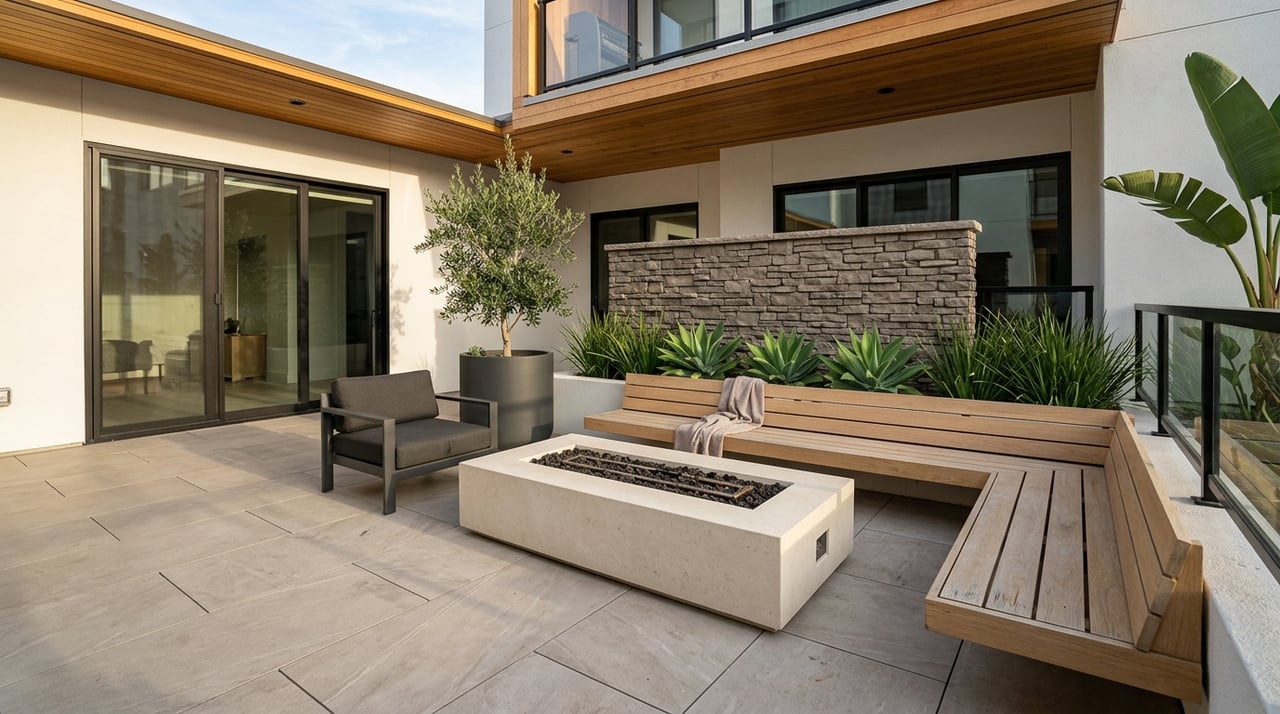
Buying a condo in Downtown San Diego can feel simple at first. You tour a sleek lobby, admire the view, and picture your daily routine in the heart of 92101. But the right condo building is about much more than finishes, because the building itself can affect your monthly costs, financing options, and future resale. If you want to make a smart move, you need to look past the surface and compare the details that really matter. Let’s dive in.
Why building choice matters in 92101
In Downtown San Diego, building-level differences can have a big impact on your experience as an owner. The March 2026 SDAR local market update showed attached homes in 92101 at a year-to-date median sales price of $753,500, with 59 days on market and 7.4 months of supply. That kind of market activity is a good reminder that zip-code averages only tell part of the story.
Two condos with similar square footage can perform very differently based on HOA finances, maintenance history, rules, and financing access. That is why it is smart to compare recent sales within the same building, or in very similar buildings, instead of relying only on broad market numbers.
Start with HOA health
A polished building can still have weak finances behind the scenes. Before you get too attached to the view or amenities, take a close look at the HOA’s financial health.
In California, annual budget reports must include a reserve summary, reserve funding plan, anticipated special assessments, outstanding loans, a summary of insurance policies, FHA and VA approval status for condominium projects, and document-fee disclosures. These reports must be distributed 30 to 90 days before the end of the fiscal year, which gives you a useful window into how the building is being managed.
What reserves tell you
Reserves are funds set aside for major repairs and replacements. If a building is not keeping up with reserve funding, you could face higher dues later or an unexpected special assessment.
California also requires a visual inspection of major components at least once every three years when the reserve-study threshold is met, along with an annual review of the study. That makes the reserve study more than just a formality. It can help you see whether the building is planning responsibly for future costs.
Why assessments matter
Even in a well-located downtown building, surprise costs can change the math quickly. California law limits boards from imposing regular assessments that are more than 20 percent higher than the prior year, or special assessments that exceed 5 percent of budgeted gross expenses, without member approval.
That protection helps, but it does not erase risk. If a building has deferred maintenance, low reserves, or HOA debt, you still want to know that before you write an offer.
HOA documents to review
Ask for these key items as early as possible:
- Current CC&Rs and building rules
- Rental restrictions or leasing caps
- The most recent annual budget report
- The reserve summary and reserve funding plan
- Any known upcoming assessments
- Information about outstanding HOA loans
- The most recent board minutes, if available
- Insurance details, including any unusually high deductibles
California’s resale disclosure package is designed to surface many of these items before transfer. It can include governing documents, annual budget materials, current assessments and unpaid charges, rental prohibitions, requested board minutes from the last 12 months, and the most recent 5551 inspection report.
Look beyond the walk-through
A good showing can tell you a lot about a unit, but it cannot tell you everything about the building. In Downtown San Diego, construction quality is often best judged through records, reports, and maintenance history.
Why the 5551 report matters
California Civil Code 5551 requires condominium associations with three or more attached multifamily dwelling units to have a licensed engineer or architect visually inspect a statistically significant sample of exterior elevated elements at least once every nine years. For buildings with permit applications submitted on or after January 1, 2020, the first inspection must happen no later than six years after the certificate of occupancy.
The written report must address the condition of load-bearing components and waterproofing systems, expected future performance, remaining useful life, and repair recommendations. If there is an immediate safety threat, the law requires notice and access restrictions.
What buyers can learn from it
Because the 5551 report is now part of the resale disclosure package, it can give you a much clearer picture of the building’s physical condition. You may learn whether balconies, walkways, or waterproofing systems have already been repaired, or whether expensive work may still be ahead.
That makes the report far more valuable than a quick impression during a tour. In many cases, the reserve study and inspection records will tell you more about the building than the lobby ever could.
Weigh amenities the right way
Amenities are a big part of downtown condo living. A rooftop deck, pool, gym, lobby staff, or guest suite can absolutely improve day-to-day life.
Still, the key question is not just whether the building has these features. The real question is whether the HOA can support them without putting pressure on reserves or increasing the chances of future assessments.
Match amenities to the budget
A building with more amenities often has higher operating costs. That does not automatically make it a bad choice, but it does mean you should compare those features against the budget and reserve plan.
If the amenities fit your lifestyle and the HOA finances look sound, that may be a strong long-term fit. If the amenities look great but the reserves are weak, you may be buying into future costs you do not want.
Verify parking and use rights
Parking can be a major quality-of-life issue in a dense downtown setting. It is not enough to hear that a unit comes with parking. You need to confirm exactly what kind of parking rights you are getting.
Questions to ask about parking
Make sure you verify whether the parking is:
- Deeded
- Assigned
- Tandem
- Limited by HOA rules
- Paired with guest parking access
- Compatible with EV charging, if that matters to you
These details are often buried in the governing documents and resale disclosures. Taking time to confirm them upfront can prevent frustration later.
Check rental rules carefully
If you are thinking about flexibility for future renting, you need to review both city rules and HOA rules. In San Diego, short-term residential occupancy is heavily regulated.
The city defines STRO as occupancy for less than one month. A Transient Occupancy Tax certificate and an STRO license are required, and operating without a license is a code violation. For whole-home rentals outside Mission Beach, the city says the relevant path is Tier 3, 21-to-89-day whole-home STRO is not allowed, Tier 3 hosts must use the license at least 90 days per year, quarterly reports are required, and one host may hold only one STRO license at a time and may not operate more than one dwelling unit for STRO within the city.
HOA rules can be stricter
Even if city rules allow a certain use, the HOA can still prohibit or limit it. California requires disclosure of any rental or leasing prohibition in the governing documents, so you should read those restrictions carefully before moving forward.
If rental flexibility matters to you, do not assume. Confirm the minimum lease term, any leasing cap, and whether short-term rentals are fully prohibited.
Think about resale from day one
When you buy a condo, you are not just choosing a home for today. You are also choosing how attractive that property may be to future buyers.
What supports stronger resale
In 92101, the most appealing resale buildings often share a few traits:
- Reasonable HOA dues for the level of amenities
- Well-funded reserves
- Clear maintenance history
- Fewer signs of deferred repairs
- Buyer-friendly rules
- Financing access for a broader pool of buyers
California’s annual budget report rules matter here because they require disclosure of FHA and VA approval status. That can affect financing options and, in turn, how large your future buyer pool may be.
Why broad averages are not enough
The March 2026 SDAR numbers for 92101 provide helpful context, but they do not predict how every individual building will perform. In a market with a year-to-date median attached-home sales price of $753,500, 59 days on market, and 7.4 months of supply, buyers have room to compare carefully.
That makes building selection even more important. The best long-term fit is often the one with the cleanest HOA financials, a manageable maintenance outlook, and rules that support future marketability.
A smart pre-offer checklist
Before you make an offer on a Downtown San Diego condo, run through this list:
- Confirm whether parking is deeded, assigned, tandem, or limited
- Read the rental policy and any minimum lease term or cap
- Review the reserve study in relation to the building’s age and design
- Check the most recent 5551 inspection report for balcony, walkway, or waterproofing concerns
- Ask about upcoming assessments, dues increases, and HOA loans
- Verify FHA or VA approval status if financing flexibility is important to you
These steps can help you compare buildings with more confidence. They also make it easier to spot the difference between a unit that merely looks good and a building that is actually well-run.
Choosing the right downtown condo building is part lifestyle decision and part due diligence. If you want help comparing 92101 buildings, reviewing disclosures, or narrowing down the best fit for your goals, The Gates Team is here to guide you with clear advice and local insight.
FAQs
What should you review before buying a condo in Downtown San Diego?
- You should review the HOA budget, reserve summary, reserve funding plan, CC&Rs, rental restrictions, parking rights, board minutes if available, and the most recent 5551 inspection report.
Why do HOA reserves matter in a 92101 condo building?
- HOA reserves matter because they help cover future repairs and replacements, and low reserves can increase the risk of higher dues or special assessments later.
What is the 5551 inspection report for California condo buildings?
- The 5551 inspection report is a building inspection report required for certain exterior elevated elements, and it can help you understand the condition of items like balconies, walkways, load-bearing components, and waterproofing systems.
Can a Downtown San Diego condo building ban short-term rentals?
- Yes. Even if city rules allow certain short-term rental activity, the HOA can still impose stricter rental or leasing restrictions through its governing documents.
Why is parking worth checking in a Downtown San Diego condo purchase?
- Parking is worth checking because rights can differ from building to building, and you need to know whether your space is deeded, assigned, tandem, or limited by HOA rules.
How does FHA or VA approval affect Downtown San Diego condo resale?
- FHA or VA approval can affect financing access for future buyers, which may influence the size of the buyer pool when you decide to sell.