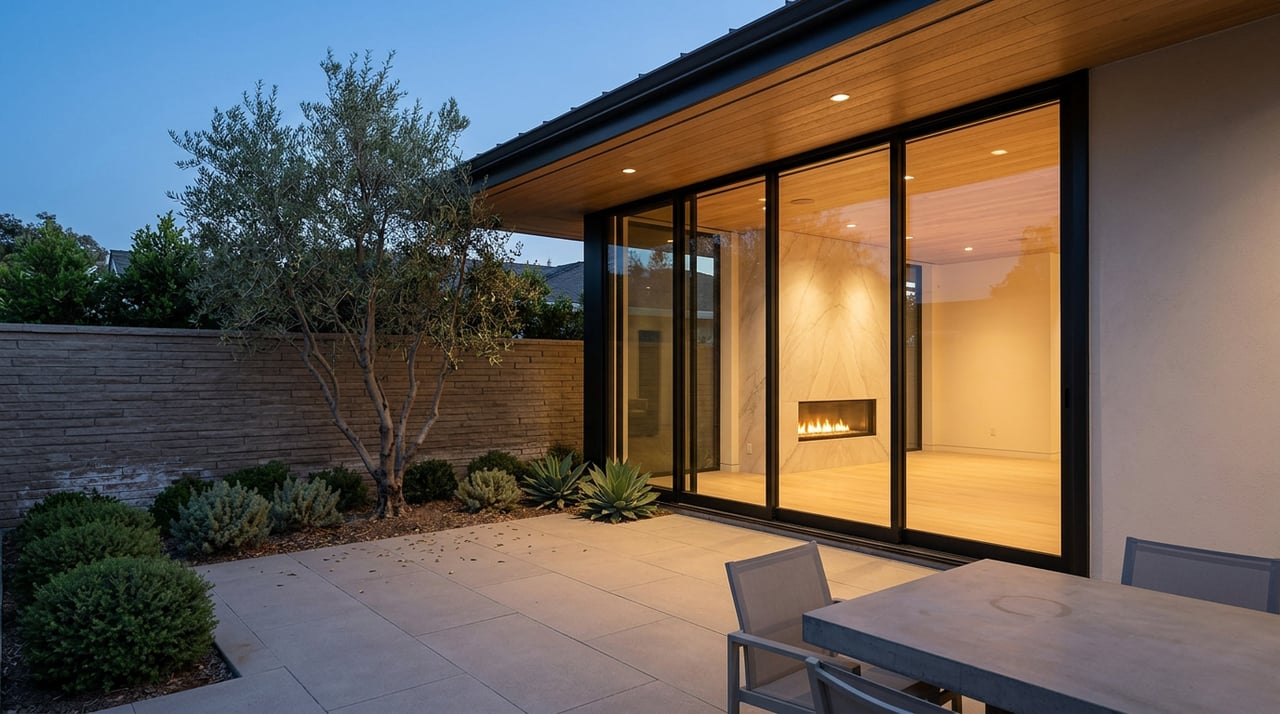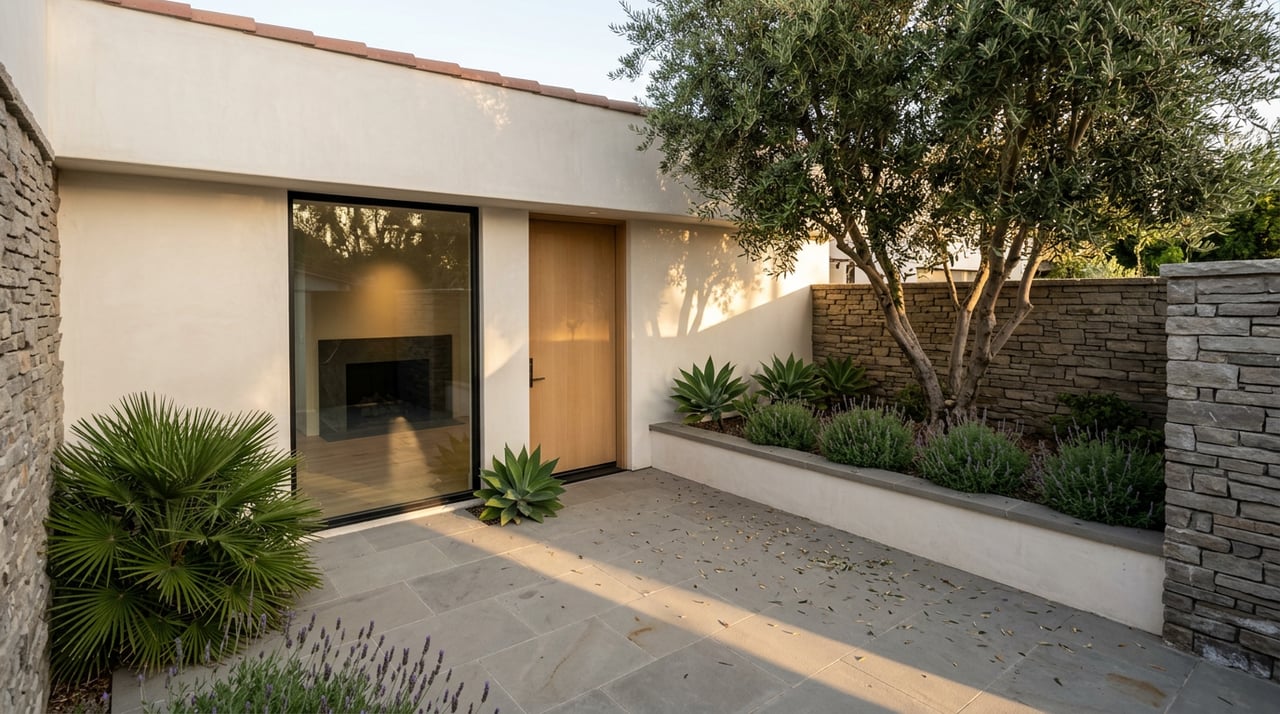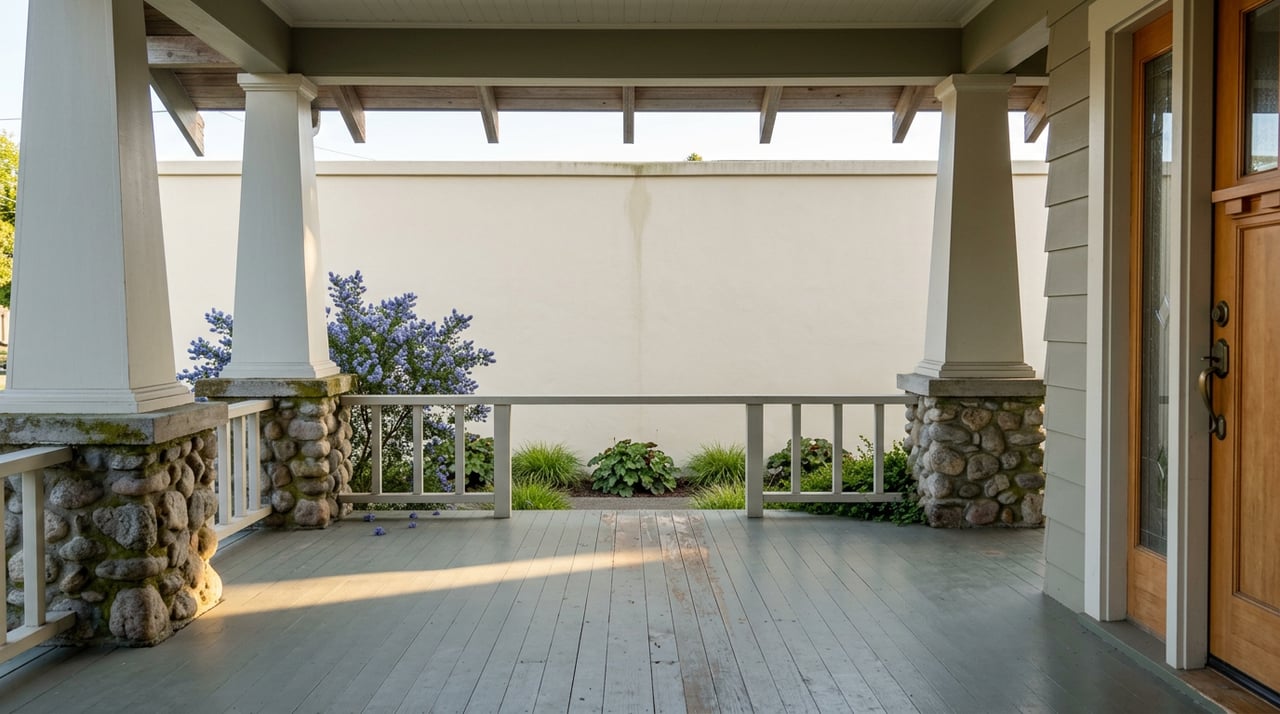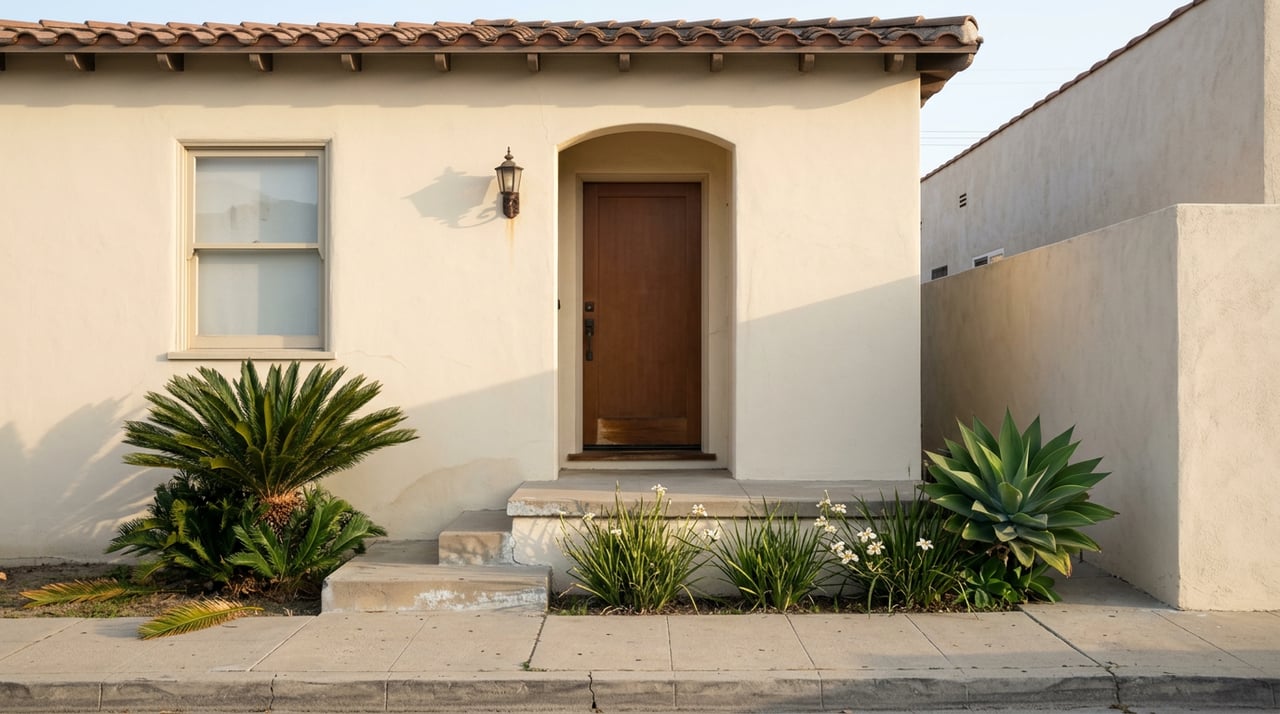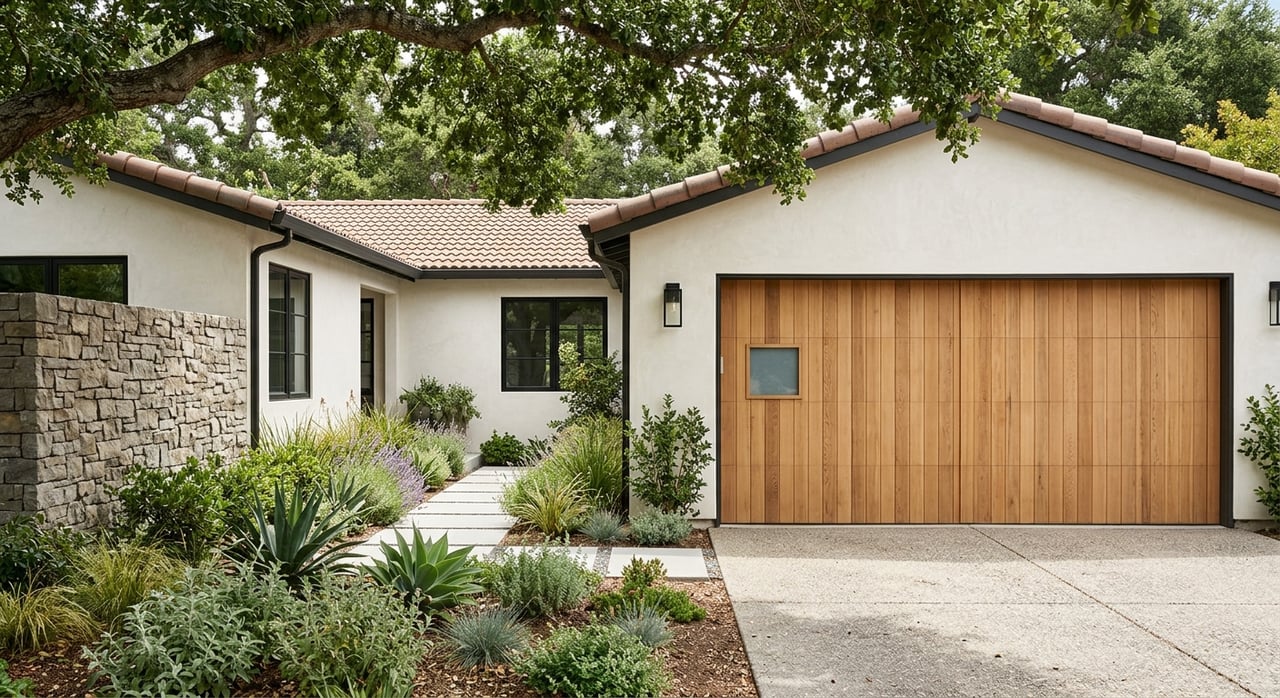
Wondering whether a newer neighborhood or an established one is the better fit along San Diego’s 15 Corridor? If you are searching around 92131, that question comes up fast because nearby communities can feel very different even when they share similar access to I-15. The good news is that each option offers real advantages, and knowing what to compare can help you focus your search with more confidence. Let’s dive in.
Why the 15 Corridor Matters
For buyers in 92131, the I-15 corridor is more than a freeway. It connects major residential and employment areas including Mira Mesa, Poway, Rancho Peñasquitos, and Escondido, and it also ties into broader regional travel patterns through San Diego County.
That matters because neighborhood choice is often about more than the house itself. Along this corridor, you are also comparing commute routes, transit options, community planning styles, and day-to-day convenience.
MTS Rapid 235 adds another layer to that decision. It runs along the I-15 corridor from Escondido Transit Center to Downtown San Diego, with service through places like Sabre Springs, Rancho Bernardo, Mira Mesa, and Kearny Mesa. On weekdays, it runs every 15 minutes, with 30-minute service at night and on weekends.
Established Neighborhoods Near 92131
When buyers talk about established neighborhoods near 92131, Scripps Ranch and Rancho Peñasquitos usually stand out. These communities tend to offer mature landscaping, older housing stock, and more variation from one tract to the next.
That variety can be a major plus if you want a neighborhood with a more settled feel. It can also mean you need to look more carefully at each subdivision, because home style, lot size, and age can change block by block.
Scripps Ranch Character
Scripps Ranch is one of the clearest examples of an established 15-corridor neighborhood in the 92131 area. The City of San Diego says the community was established in the 1890s and is known for eucalyptus trees, hiking trails, Miramar Reservoir, scenic parks, and landscaped neighborhoods.
Its community plan, adopted in 1978, emphasizes a variety of housing types and prices. The plan includes family-oriented homes, estate and custom-lot development, clustered housing, and preservation of natural terrain. In practical terms, that often creates a more mature and less uniform neighborhood feel.
Scripps Ranch also offers a strong base of daily-use amenities. The city lists multiple parks, a community recreation center, a library, and a farmers market, all of which support a neighborhood-oriented lifestyle.
Rancho Peñasquitos Character
Rancho Peñasquitos is another established community worth comparing. The City of San Diego says the land was purchased in 1962 for development, and the community now spans about 6,500 acres with canyons, hillsides, ridges, and Black Mountain shaping the terrain.
Its development pattern reflects that longer history. The community plan notes traditional single-family neighborhoods, 5,000-square-foot lots, and pockets of townhomes, apartments, and older village development from the 1960s and early 1970s.
Rancho Peñasquitos also has an extensive amenity network. The city lists neighborhood parks, a branch library, a skate park, a leash-free dog park, open-space access, and nearby regional parkland including Black Mountain and Los Peñasquitos Canyon Preserve.
Newer and Later-Planned Communities
Later-planned communities along the 15 Corridor often feel more coordinated in how they were designed. Compared with older neighborhoods, they may offer more uniform streetscapes, more integrated amenity planning, and a broader mix of housing types.
These areas can be appealing if you want a neighborhood that feels more intentionally organized from the start. They may also offer stronger commuter infrastructure, especially near transit stations and park-and-ride options.
Carmel Mountain Ranch Mix
Carmel Mountain Ranch is a useful middle-ground example. The City of San Diego describes it as a master-planned community along the Interstate 15 corridor, with a plan adopted in 1984.
What makes it stand out is the mix of uses. The community includes corporate offices, shopping, restaurants, a regional postal distribution center, neighborhood parks, a recreation center, open space, a trail system, a fire station, and a library.
For buyers, that can mean daily errands and work destinations may be built more directly into the community pattern. It is a different feel from a primarily residential neighborhood where commercial uses are farther away.
Sabre Springs Commute Appeal
Sabre Springs is especially relevant if commute options matter to you. The city describes it as a foothill area north of Scripps Ranch with neighborhoods, rolling hills, business parks, open space, and city facilities.
It also benefits from major transit infrastructure. Improvements at the Sabre Springs/Peñasquitos Transit Station added park-and-ride capacity, bus staging, EV charging, vanpool parking, and secure bicycle parking.
That gives buyers another way to think about convenience. Instead of only asking how close you are to I-15, you can also ask whether the neighborhood supports park-and-ride commuting, vanpooling, or transit use more easily.
Black Mountain Ranch Planning Style
Black Mountain Ranch offers one of the strongest examples of a newer master-planned area. The City of San Diego describes it as a relatively new community that is still being developed.
Its community plan calls for a wide range of housing types, including conventional and small-lot single-family homes, street-facing townhomes, courtyard townhomes, duplexes and triplexes, second units, apartments, and condominiums. The plan also emphasizes pedestrian and bicycle connections to trails and activity centers, along with a grid or modified grid street system.
That kind of planning creates a very different feel from older, more incremental development. If you want more housing-type choice and a more coordinated street layout, this is the kind of community model to watch.
Key Differences Buyers Notice
If you are comparing newer versus established neighborhoods along the 15 Corridor, the biggest differences usually show up in four areas: feel, housing mix, amenities, and commuting.
Here is a simple way to think about it:
| Comparison Area | Established Neighborhoods | Newer or Later-Planned Communities |
|---|---|---|
| Overall feel | More mature landscaping and more variation by tract | More uniform planning and streetscapes |
| Housing stock | Broader range of home eras and styles | More coordinated housing types and layout |
| Amenities | Longstanding parks, libraries, recreation spaces, and open space | Built-in infrastructure with organized community design |
| Commute options | Strong road access, with some transit relevance depending on location | Often stronger park-and-ride or transit-support features |
Neither side is automatically better. It really depends on whether you value neighborhood character and variety, or a more planned layout with commuter-focused infrastructure.
HOA and Mello-Roos Questions to Ask
Cost structure can be one of the biggest practical differences between communities. In California, an HOA is the organization that makes and enforces rules for a subdivision, planned community, or condominium building, and buyers in a common interest development automatically become members of the association.
That is why newer or more planned communities are often more likely to include HOA dues, CC&Rs, and common-area maintenance obligations. Older neighborhoods may have fewer formal controls, but that is not universal, so each property still needs to be checked individually.
Mello-Roos is another issue you should verify carefully. The City of San Diego explains that Community Facilities Districts, commonly called Mello-Roos, are areas where property owners have voted to impose special taxes or assessments to finance public improvements tied to development.
This is especially important because special-tax exposure can vary by tract. The city’s district list includes CFD No. 4 for Black Mountain Ranch Villages, while CFD No. 1 for Miramar Ranch North was closed and dissolved in 2021.
The takeaway is simple: do not assume recurring costs based on the neighborhood name alone. The County of San Diego’s parcel search can show assessed value, tax rates, and special assessments, so the best practice is to verify the exact parcel, review HOA documents, and confirm financing and tax implications with your lender and tax professional.
How to Choose the Right Fit
If you are deciding between newer and established neighborhoods near 92131, start with your daily routine. Your best fit often depends on how you balance commute needs, home style preferences, outdoor access, and tolerance for ongoing fees or community rules.
You may prefer an established neighborhood if you want:
- Mature trees and landscaping
- More variation in home styles and lot sizes
- A long-established community feel
- Easy access to parks, trails, and neighborhood amenities
You may prefer a newer or later-planned area if you want:
- A more coordinated neighborhood layout
- A wider mix of planned housing types
- Stronger commuter infrastructure
- A community built with integrated retail, business, or transit features
The smartest move is to compare homes at the property level, not just the neighborhood level. Two homes along the same corridor can offer very different ownership costs, commute patterns, and lifestyle tradeoffs.
Whether you are relocating, buying your first San Diego home, or making a move within North County, a side-by-side neighborhood strategy can save you time and help you avoid surprises. If you want help narrowing down the right fit along the 15 Corridor, The Gates Team can guide you through the details with a local, family-first approach.
FAQs
What is the difference between established and newer neighborhoods near 92131?
- Established neighborhoods like Scripps Ranch and Rancho Peñasquitos often have mature landscaping, older housing stock, and more variation in home style and lot size, while newer or later-planned communities often feel more uniform and coordinated.
Which established neighborhoods are commonly compared near San Diego 92131?
- Scripps Ranch and Rancho Peñasquitos are two of the most common comparison points because both offer established community amenities, open space access, and a longer development history.
Which newer communities along the 15 Corridor should buyers near 92131 consider?
- Carmel Mountain Ranch, Sabre Springs, and Black Mountain Ranch are useful comparison areas because they reflect later master planning, mixed housing options, and stronger built-in commuter infrastructure.
Do newer neighborhoods along San Diego’s 15 Corridor usually have HOAs?
- Many newer or more planned communities are more likely to include HOA dues and CC&Rs, but this is not universal, so you should verify each property and development individually.
How do buyers check for Mello-Roos in San Diego County?
- The most reliable approach is to verify the exact parcel through the County of San Diego parcel search, review the property tax breakdown for special assessments, and confirm details with your lender and tax professional.