If you are torn between a downtown loft and a condo in 92101, you are not overthinking it. In Downtown San Diego, that choice affects how you live every day, how comfortable the space feels, and how smooth the resale process may be later. This guide will help you compare layout, lifestyle, HOA risk, financing, and neighborhood fit so you can make a smarter decision with confidence. Let’s dive in.
Why this choice matters in 92101
Downtown San Diego is not one uniform market. The City of San Diego identifies eight downtown neighborhoods: Gaslamp, East Village, Columbia, Marina, Cortez, Little Italy, Horton Plaza, and Core. Each area has its own building mix, street feel, and day-to-day rhythm.
That matters because a loft-versus-condo decision is really about more than square footage. In 92101, it is also about the building itself, the HOA, your privacy needs, and the neighborhood that fits your routine best. A great unit in the wrong building can feel less practical than a slightly smaller one in a better-run project.
Current market data also points to the same takeaway. As of May 2026, major housing sites show 92101 prices clustering around the low-to-mid $700,000s, with roughly 45 to 57 days on market depending on the source. The numbers vary by methodology, but they support one useful truth: building-level details matter more than zip-code averages in Downtown.
Loft vs condo basics
What a loft usually means
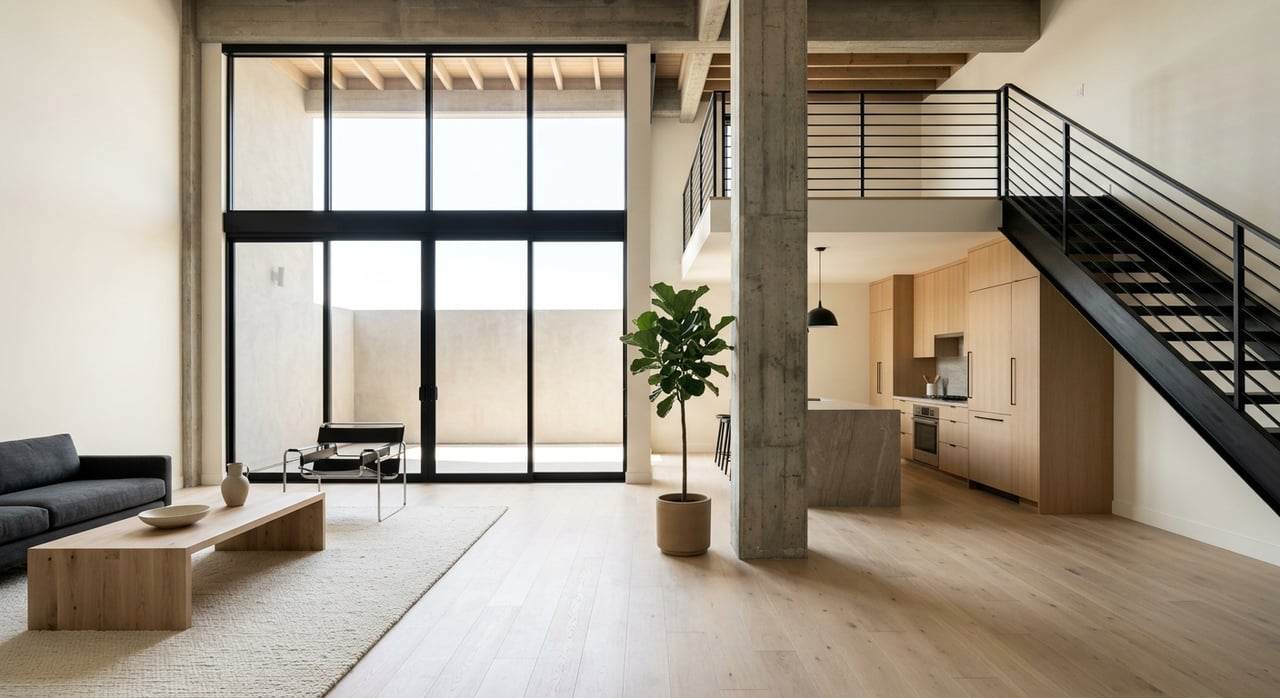
A true loft is typically one large open space with few interior walls. In practical terms, that often means higher ceilings, more visual volume, and a more open, design-forward feel. Many buyers are drawn to lofts because they feel bright, flexible, and distinctly urban.
In Downtown San Diego, lofts often show up where historic or warehouse-style buildings shaped the neighborhood. Gaslamp Quarter and parts of East Village are the strongest examples. These areas are known for a mix of historic buildings, residential and work lofts, and a more industrial-meets-modern character.
What a condo usually means
A condo is an individual unit within a larger building or community with shared facilities owned collectively and governed by an HOA. Compared with lofts, condos usually offer a more defined layout with separate bedrooms and clearer room separation. That can make daily life feel more structured and private.
In Downtown, condo-heavy areas often include Marina, Columbia, Little Italy, and parts of Cortez Hill. These neighborhoods are more closely associated with condo towers, established mixed-use living, waterfront settings, and more conventional urban floor plans.
How your daily life should guide the choice
Choose a loft for openness
If you love natural light, entertaining, and a sense of openness, a loft may feel like the better fit. Open plans can improve flow and visibility, and many buyers simply prefer the visual impact of a large uninterrupted space. If the look and feel of the home is a major priority, a loft can be very appealing.
That said, open space changes how you use the home. Noise tends to travel more easily, clutter is harder to hide, and routines like sleeping, working, and hosting can overlap. If you are buying for style and flexibility, that may be worth it.
Choose a condo for separation
If you want more privacy, a condo often makes everyday living easier. Separate bedrooms can help if you work from home, host overnight guests, or just want more quiet between living and sleeping areas. For many buyers, that layout is simpler and more comfortable over time.
A traditional condo can also be easier for future buyers to understand. A more standard layout often appeals to a broader audience, especially in a market where people compare multiple buildings and floor plans side by side. That broader appeal can matter when it is time to sell.
Best downtown areas for each option
Gaslamp and East Village for loft style
Gaslamp Quarter is one of the strongest loft-leaning areas in 92101. It combines Victorian-era buildings with modern high-rises and is known for restaurants, nightlife, retail, and residential or work lofts. If you want a home with character and a true downtown feel, Gaslamp deserves a close look.
East Village also leans loft-friendly, especially if you like a larger neighborhood with a wide range of building styles. It is Downtown San Diego’s largest neighborhood, with more than 20,000 residents and a mix of mid-rise and luxury condominiums and lofts. It can be a strong fit if you want urban energy and more inventory variety.
Marina and Columbia for condo living
Marina is a natural starting point if you want a more conventional condo tower experience. It is known for waterfront urban living, parks, and a more established luxury condo setting. Buyers looking for views, structure, and a more polished high-rise feel often start here.
Columbia also fits buyers who want a strong bayfront identity. The neighborhood is known for waterfront parks, dining, shopping, and major civic and cultural landmarks. If your ideal home base is tied to the bay and a more traditional condo environment, Columbia is worth considering.
Little Italy and Cortez Hill for balance
Little Italy offers a pedestrian-friendly setting with significant residential development and a strong business district. If you want walkability, dining, and a refined everyday urban lifestyle, this area often appeals to condo buyers who want convenience with a lively setting.
Cortez Hill offers a different mix. It is one of Downtown’s oldest neighborhoods, where Victorian homes coexist with modern condo towers. If you want a quieter pocket with historic texture and newer condo options, Cortez Hill can offer a middle ground.
HOA health matters more than you think
In Downtown San Diego, HOA review is not just a box to check. California Civil Code 4525 requires sellers in common-interest developments to provide key association documents, including governing documents, recent association materials, current regular and special assessments, unpaid charges, unresolved violation notices, rental restriction disclosures, board minutes on request, and the most recent exterior elevated elements inspection report.
That level of disclosure matters because Downtown buildings often have more moving parts. Older buildings, mixed-use towers, balconies, and shared amenities can all create future maintenance costs. A home that looks perfect on day one may feel very different once you understand the HOA’s reserve strength and pending repairs.
The California Department of Real Estate has also warned that some HOAs are underfunded and lack enough reserves to maintain common areas properly. For that reason, a low HOA fee is not always the win it seems to be. In many cases, a realistic monthly fee backed by stronger reserves is the safer long-term choice.
Balcony inspections and older towers
Balconies and other exterior elevated elements are a major issue in California condo projects. Under Civil Code 5551, condominium projects must complete visual inspections of a statistically significant sample of these elements at least every nine years, and the first inspection had to be completed by January 1, 2025.
For Downtown buyers, this is especially important in older towers with balconies, decks, or elevated walkways. Because the most recent 5551 report now has to be delivered at resale through the disclosure process, you have a valuable chance to review building condition before you commit. That report can help you spot deferred maintenance and understand possible future costs.
Financing can be easier in some buildings
Not every Downtown building fits every loan program equally well. Project-level issues can affect financing, even when the unit itself looks attractive. That is one reason buyers should look beyond finishes and views.
Fannie Mae guidance notes that condo value and marketability depend on the project as a whole. Lenders and appraisers may pay close attention to the project’s financial stability, litigation, critical repairs, mandatory inspections, amenities, and the amount of commercial space.
Buildings with more than 35% commercial space, hotel-style use, rental-pooling features, critical repairs, or certain ownership concentrations may face tighter lender scrutiny. In practice, that means some mixed-use or hospitality-style Downtown buildings can have a narrower buyer pool. If financing flexibility matters to you, a more conventional condo project may offer a simpler path.
Resale is about the unit and the project
A beautiful interior does not guarantee strong resale. In Downtown, resale appeal usually comes from a combination of a functional floor plan, healthy HOA records, understandable parking, and a building with manageable maintenance needs. Buyers often pay for confidence as much as they pay for finishes.
Lofts can absolutely resell well, but they often attract a more selective audience. Because open layouts are less conventional, they may need stronger presentation and a clearer story about how the space lives. That is especially true when an appraiser or future buyer is comparing them with more standard nearby condos.
Fannie Mae’s appraisal guidance also notes that a floor plan may be required when a layout is atypical or functionally obsolete. That does not make lofts a bad choice. It simply means unusual layouts need stronger support in the resale process.
A simple way to decide
If you are still deciding, use this quick framework:
- Choose a loft if you want open volume, fewer walls, and a stronger industrial or historic feel.
- Choose a condo if you want enclosed bedrooms, easier privacy, and a more straightforward layout.
- Focus on Gaslamp or East Village if loft character is part of the goal.
- Focus on Marina or Columbia if waterfront setting and a more conventional tower experience matter most.
- Consider Little Italy if walkability and dining are top priorities.
- Consider Cortez Hill if you want a mix of historic texture and modern condo living.
- Review HOA reserves, assessments, inspection reports, and building condition before you get attached to any one unit.
The smartest 92101 takeaway
In Downtown San Diego, the better choice is the one that matches how you actually live. A loft may be perfect if you value openness, style, and urban character. A condo may be the better fit if privacy, financing flexibility, and broader resale appeal matter more to you.
The key is to evaluate the home and the project together. In 92101, neighborhood identity, HOA health, building condition, and floor plan usability all carry real weight. If you get those pieces right, you are far more likely to end up with a home that feels good now and still makes sense later.
If you want help comparing Downtown buildings, reading HOA documents, or narrowing down the right fit in 92101, The Gates Team is here to guide you with clear advice, strong local knowledge, and a family-first approach.
FAQs
What is the difference between a loft and a condo in Downtown San Diego?
- A loft usually has one large open space with few interior walls, while a condo usually has a more defined layout with separate rooms and shared building amenities governed by an HOA.
Which Downtown San Diego neighborhoods are best for loft buyers?
- Gaslamp Quarter and East Village are the strongest loft-leaning areas because they are associated with historic buildings, warehouse roots, and residential or work lofts.
Which 92101 neighborhoods are better for condo buyers?
- Marina, Columbia, Little Italy, and Cortez Hill often appeal more to condo buyers because they feature condo towers, established urban living, and more conventional layouts.
Why do HOA documents matter when buying a condo in 92101?
- HOA documents can reveal reserve strength, assessments, unresolved violations, rental restrictions, and recent inspection findings, all of which may affect your costs and risk.
What should buyers know about balcony inspections in California condo buildings?
- California law requires periodic inspections of exterior elevated elements like balconies, and the most recent report must be provided during resale in applicable condo projects.
Are downtown lofts harder to finance or resell than condos?
- Some can be, especially if the layout is unusual or the building has mixed-use or hotel-like features that narrow lender approval or buyer demand.
How do current 92101 market conditions affect the loft-versus-condo decision?
- With market data showing similar price ranges but differing building performance, buyers should focus less on zip-code averages and more on neighborhood fit, floor plan, and project health.