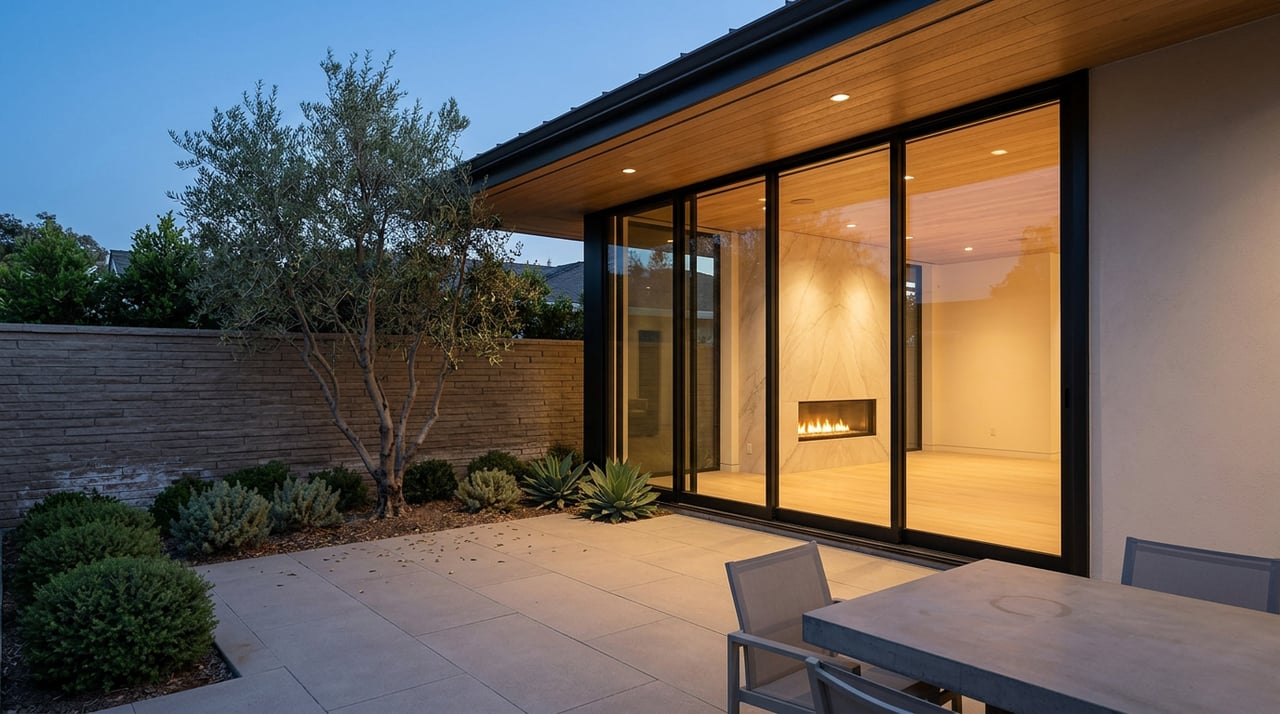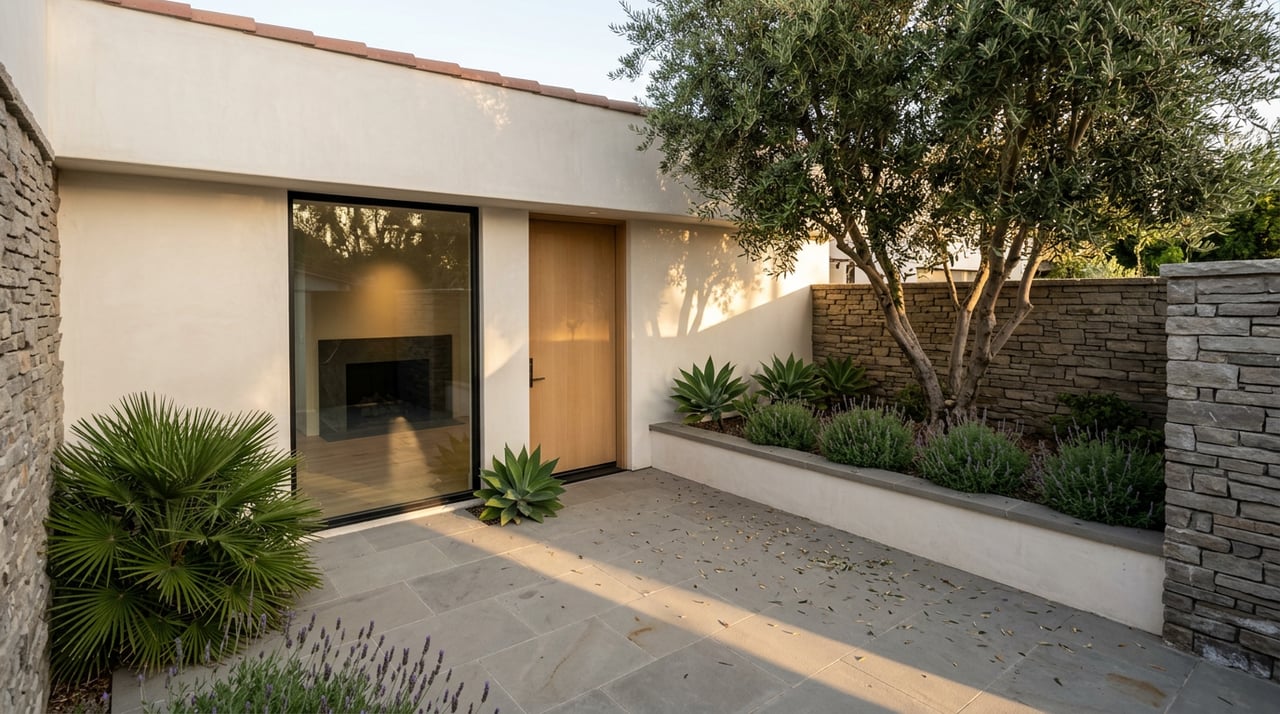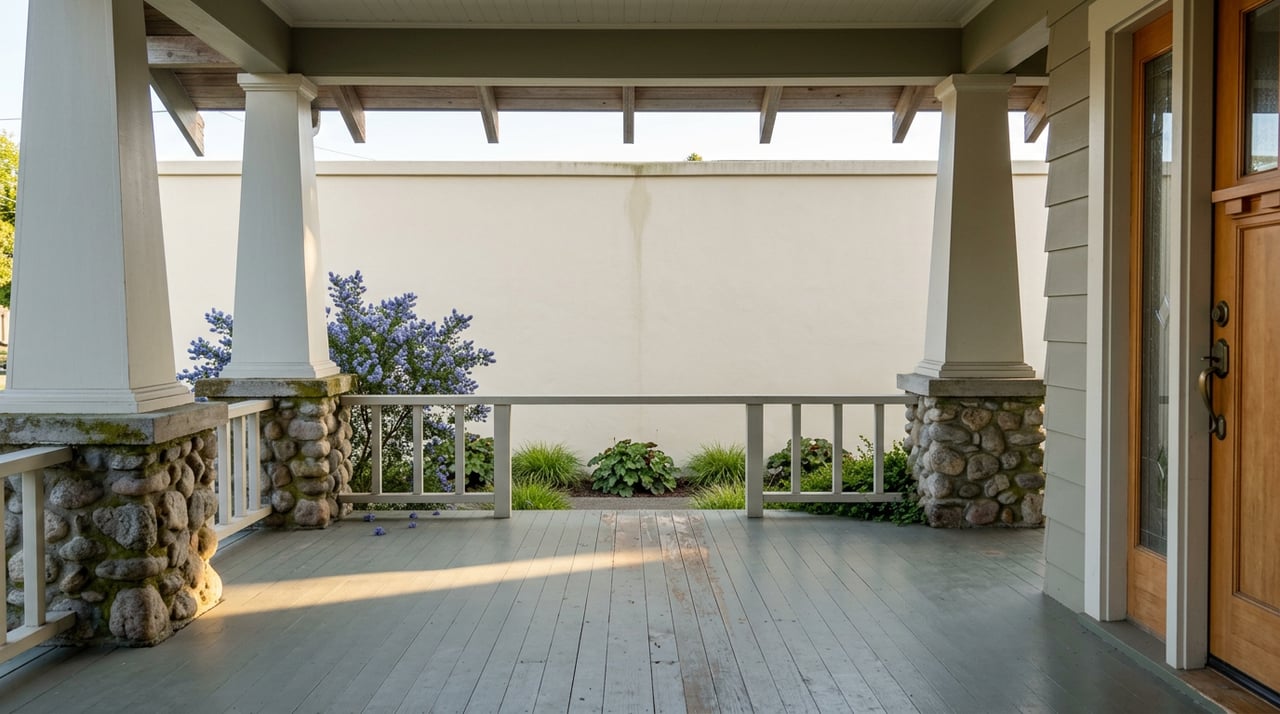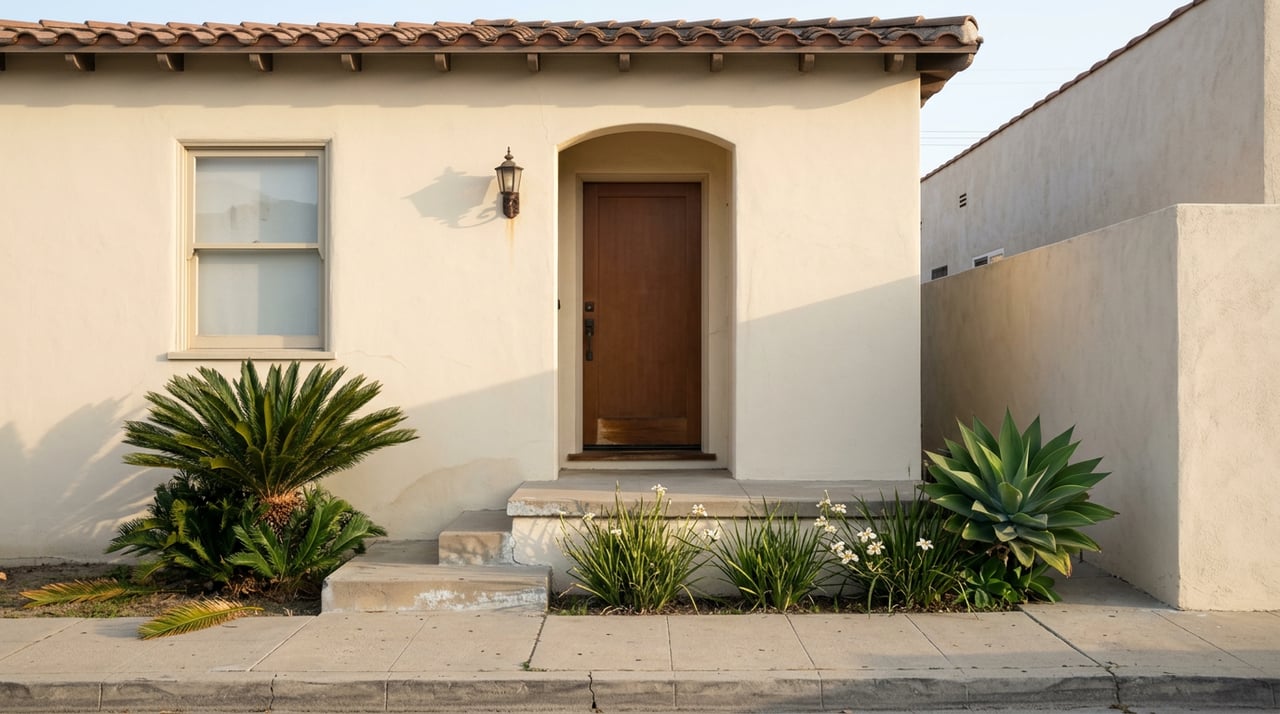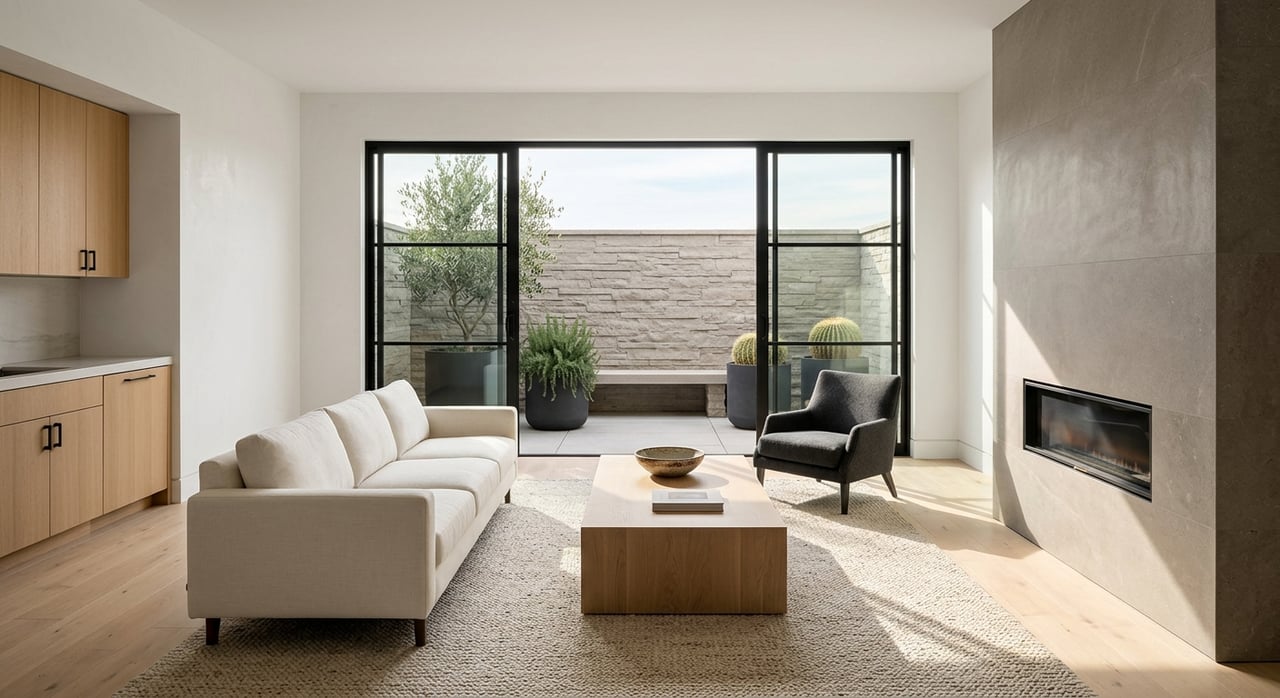
Wondering how to make your 92103 home stand out when buyers already have options? In Metro San Diego, staging is not about making your place look overdone or expensive. It is about helping buyers feel the space, understand the layout, and see an easy next chapter in a move-in-ready home. If you are thinking about selling in Hillcrest, Mission Hills, or nearby Uptown neighborhoods, here is how smart staging can sharpen your listing and reduce friction from the start. Let’s dive in.
Why staging matters in 92103
In 92103, buyers are shopping in a dense, design-aware urban market. Census data shows the ZIP has 34,836 residents across just 3.7 square miles, with 19,935 households and an average of 1.7 people per household. That kind of profile supports a strong case for polished presentation, especially for condos, townhomes, and character homes where space and function need to read clearly.
The current local snapshot also shows buyers have choices. Realtor.com reports 169 homes for sale in 92103, with a median list price of $922.5K, a median price per square foot of $788, and a median of 33 days on market. In a market like that, staging can help your home feel more memorable and more move-in ready.
That matters because staging changes how buyers see a property. According to NAR’s 2025 staging report, 83% of buyers’ agents said staging makes it easier for buyers to visualize a property as a future home, and 60% said staging affects most buyers’ view of a home most of the time. Nearly half also said buyers expect homes to look staged like they do on TV, and many feel disappointed when the real home falls short.
What buyers notice first
If you want the best return on effort, start with the rooms buyers care about most. NAR found the top spaces to stage are the living room, primary bedroom, and kitchen. Those are the rooms that shape first impressions and help buyers understand how daily life will feel in the home.
For many 92103 properties, that priority list makes sense. Urban homes often need to show scale, natural light, and function quickly. A clean, open living room, a calm primary bedroom, and a bright, uncluttered kitchen can do more than heavy decor ever will.
It also helps to think beyond furniture alone. The same NAR research found that photos were especially important to clients, along with videos and physical staging. In other words, staging works best when it supports the full listing presentation, from in-person showings to the first scroll through online photos.
Staging condos and townhomes in 92103
For condos and townhomes, the goal is usually simple: make the home feel larger, brighter, and easier to live in. San Diego County MLS data for April 2026 showed attached homes took longer to sell than detached homes, with a median of 41 days on market versus 35 days. That does not mean your condo will sit, but it does mean presentation matters.
In smaller urban layouts, bulky furniture can shrink a room fast. Scale-appropriate pieces, clear walking paths, and minimal accessories help buyers read the footprint more easily. If a dining nook also works as a home office corner, define both uses clearly so buyers do not have to guess.
This is especially important in a ZIP like 92103, where density is high and many buyers value convenience, flexibility, and low-maintenance living. Your staging should support that lifestyle. Think light, functional, and current, not formal or crowded.
Best staging moves for urban condos
- Use smaller, streamlined furniture that fits the room
- Keep sightlines open from entry to windows
- Define living, dining, and work zones clearly
- Remove excess decor to reduce visual noise
- Add lighting where rooms feel dim or closed in
- Highlight storage by editing closets and cabinets
Staging older homes in Mission Hills and nearby areas
Older homes need a different kind of strategy. In Mission Hills and parts of Uptown, many homes date to the early 20th century, and the City of San Diego describes the area as carefully preserved and residential in character. That means buyers may love charm, but they still want signs of care.
The key is to showcase character without letting age read as deferred maintenance. Fresh paint, floor repair or replacement where needed, deep cleaning, decluttering, and selective cosmetic fixes can help period details feel intentional rather than tired. You do not need a full remodel to improve perception.
This approach also fits how buyers respond to staging. NAR reported that nearly three out of ten sellers’ agents saw staging increase dollar value offered by 1% to 10%, and 49% said staging reduced time on market. That does not mean every project will produce the same result, but it does support investing in visible improvements that help buyers feel confident.
Focus on charm, not clutter
When you are staging a character home, let the architecture lead. Original trim, built-ins, windows, fireplaces, and ceiling details should stand out. Keep furniture and accessories restrained so the home’s best features stay front and center.
In many cases, less is more. A few modern pieces can balance an older interior and make it feel current. That blend often works well in neighborhoods like Hillcrest, where older homes and newer condos sit side by side and buyers tend to respond to a look that feels clean, contemporary, and easy to maintain.
Use views and lifestyle to your advantage
Uptown San Diego has one more staging advantage: location-driven appeal. City planning materials describe the area’s mesa topography and note that some homes can capture views of Downtown, the ocean, canyons, the harbor, Coronado, and Point Loma. If your property has a view, staging should support it, not compete with it.
That means pulling furniture away from windows when possible, simplifying window treatments, and creating natural seating arrangements that draw the eye outward. Even a partial view can make a strong impression when the room layout helps buyers notice it right away.
Lifestyle also matters here. The Hillcrest Focused Plan Amendment highlights connections to neighborhood businesses and services, Balboa Park, Downtown, North Park, and housing near transit and services. So when you stage a 92103 home, you are not just selling square footage. You are helping buyers imagine a well-connected urban routine.
Smart updates that support staging
The most effective pre-sale updates are usually the simplest ones buyers can see right away. In 92103, that often means:
- Professional staging
- Fresh paint
- Floor repair or replacement where needed
- Deep cleaning
- Decluttering and storage
- Selective cosmetic fixes
These choices line up with what buyers notice and what tends to improve perceived condition. They also fit the idea that staging is about removing friction, not over-improving. In many urban homes, clean presentation and clear function matter more than dramatic upgrades.
Budget is part of the conversation too. NAR reported a median spend of $1,500 when sellers used a staging service, compared with $500 when the seller’s agent personally staged the home. That supports a practical middle path: targeted investment in the areas buyers see first.
How Compass Concierge can help
If you want to improve presentation without paying upfront for every service, Compass Concierge may be worth considering. According to Compass, the program can front the cost of services such as staging, flooring, painting, deep cleaning, decluttering, cosmetic renovations, moving and storage, and more, with no payment due until closing. Compass also notes that payment may become due when the home sells, when the listing agreement ends, or after 12 months, subject to market terms.
For many sellers, that can make pre-sale prep feel more manageable. Instead of trying to coordinate every vendor and expense on your own, you can focus on the updates that are most likely to improve buyer perception. Just keep expectations realistic. Compass does not guarantee results, so the value is in creating a stronger presentation, not promising a specific return.
A practical staging plan for 92103 sellers
If you are preparing to list in Metro San Diego, keep your plan focused and local. Start with the rooms buyers care about most, choose updates that make the home feel clean and current, and tailor the presentation to the property type.
For condos and townhomes, emphasize space, light, and function. For older single-family homes, emphasize character, care, and move-in readiness. For any home with outdoor space or a view, make sure the layout helps buyers notice those features immediately.
That kind of strategy fits the reality of 92103. Buyers here are often comparing multiple options, paying close attention to presentation, and looking for homes that feel easy to step into. Good staging helps them say yes faster, with fewer questions.
If you are thinking about selling in 92103, The Gates Team can help you create a staging and pre-sale plan that fits your home, your timeline, and your goals.
FAQs
What does staging help with when selling a home in 92103?
- Staging can help buyers visualize how the home lives, make spaces feel larger and more functional, improve photo presentation, and support a move-in-ready first impression.
Which rooms matter most when staging a Metro San Diego home?
- The living room, primary bedroom, and kitchen usually matter most because those are the spaces buyers focus on first when forming an overall opinion of the home.
How should sellers stage a condo in 92103?
- Sellers should use scale-appropriate furniture, keep walkways open, reduce clutter, and clearly define each area so the home feels bright, efficient, and easy to understand.
How should sellers stage an older Mission Hills home?
- Sellers should highlight original character, complete visible maintenance items, freshen paint and flooring where needed, and avoid overdecorating so the home feels cared for and current.
Can Compass Concierge help with pre-sale improvements in San Diego?
- Yes. Compass says Concierge can cover services such as staging, painting, flooring, deep cleaning, decluttering, cosmetic work, and moving or storage, with payment deferred based on program terms.