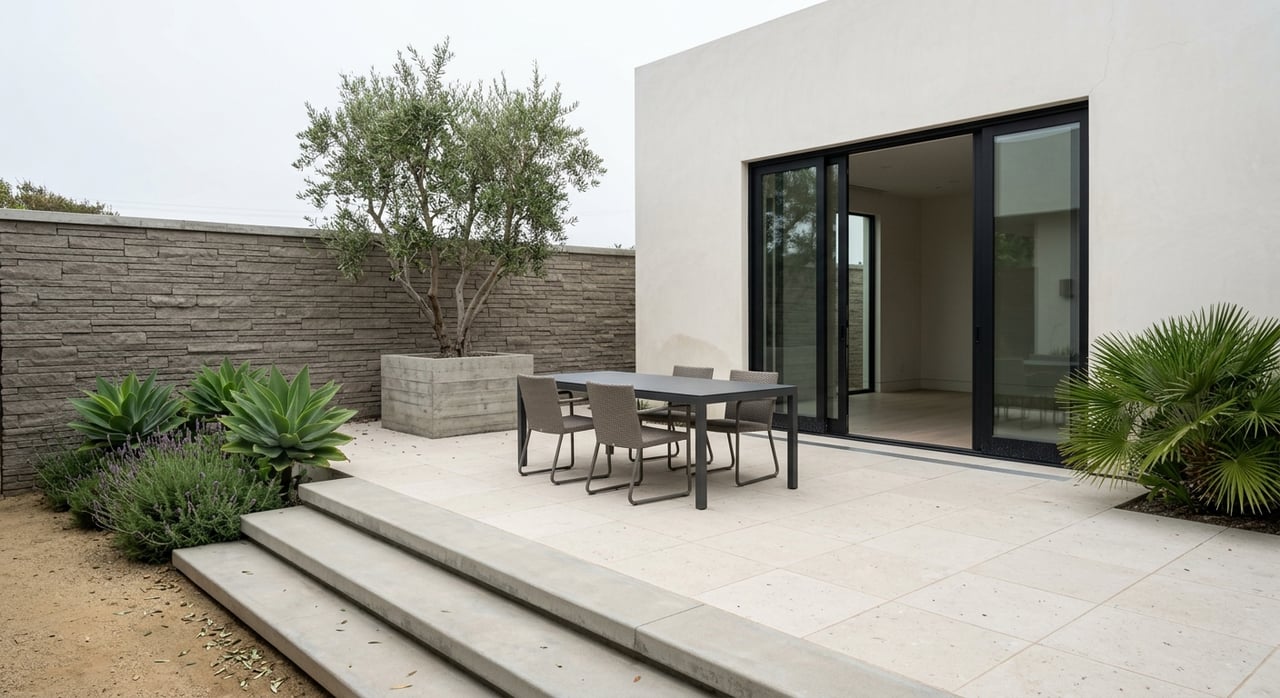
Wondering if living near the water in Coastal San Diego is as dreamy as it sounds? In 92037, the ocean shapes more than your view. It influences the weather, the pace of your day, beach access, traffic, and even the type of home you may consider. If you are thinking about buying or selling in La Jolla, this guide will help you understand the real day-to-day lifestyle so you can make a confident move. Let’s dive in.
Coastal Living in 92037
La Jolla has long been one of San Diego’s best-known coastal areas. The City of San Diego describes it as a destination shaped by ocean bluffs, steep canyons, beaches, and a small-town core centered on the Village, the Shores, and Bird Rock.
That matters when you live here. In 92037, the coastline is not just nearby. It is part of your everyday surroundings, from morning walks and ocean air to seasonal crowds and beach activity.
Weather Near the Water
One of the biggest perks of living near the coast is the mild climate. NOAA data for San Diego shows an annual mean temperature of 64.7°F, with an average daily high of 70.9°F and an average daily low of 58.5°F.
Summer usually stays moderate compared with inland areas. July averages a daily high of 75.3°F, and August averages 77.3°F, while annual rainfall is just 9.79 inches, with most of it falling in winter.
The Marine Layer Is Real
If you are new to coastal San Diego, the marine layer can surprise you. The National Weather Service identifies it as one of coastal California’s most common weather patterns, especially in late spring and early summer.
That is where terms like “May Gray” and “June Gloom” come from. Near the water, mornings can feel cool, cloudy, and damp, even when the afternoon turns bright and pleasant.
Beach Access and Daily Use
Living near the water often means easy access to some of San Diego’s most iconic shoreline spots. In La Jolla, though, each beach has a different feel and function.
Some are better for scenic walks and quick swims. Others are set up for fuller beach days with easier parking and more public amenities.
La Jolla Cove Experience
La Jolla Cove is one of the most scenic parts of 92037. The City describes it as a small beach tucked between sandstone cliffs, popular for swimming, snorkeling, and scuba diving during summer when visibility can sometimes exceed 30 feet.
It is beautiful, but it is also more tightly regulated than many people expect. The Cove sits within the La Jolla Underwater Park Ecological Reserve, where fishing and removal of objects are prohibited.
La Jolla Shores for Everyday Beach Time
For many residents, La Jolla Shores is the more practical option for regular use. The City notes that it offers a large grassy park, playground, picnic areas, restrooms, showers, beach wheelchairs, and a public parking lot.
It also has the only beachfront boat launch within San Diego city limits. That setup makes the Shores feel more usable for longer outings, family beach days, and activities that need a little more space and planning.
Parking, Access, and Summer Crowds
This is one of the biggest tradeoffs of coastal living in 92037. Easy beach access sounds simple in theory, but in practice, parking and seasonal traffic can shape your routine.
The City’s planning materials note that public parking in the Coast Boulevard area is limited, and shoreline access can be affected by high tides, steep bluffs, or hazardous rock formations. In other words, being close to the water does not always mean stress-free access every time you want it.
What Summer Feels Like
Summer brings more energy, but also more congestion. The City staffs La Jolla Cove and La Jolla Shores with permanent year-round lifeguards, plus additional seasonal towers in summer.
That added activity reflects how busy the coastline gets. June and July are especially active beach months, with both locals and visitors making the most of the season.
Wildlife and Rules Matter
Coastal living in La Jolla also comes with public-space rules and wildlife protections that affect daily use. City regulations prohibit alcohol, glass containers, smoking, littering, and overnight camping, sleeping, or parking on beaches, cliffs, walkways, park areas, and adjacent parking lots.
There are also seasonal or safety-related restrictions in some shoreline areas. The City notes that Point La Jolla is subject to a year-round closure because of safety and wildlife concerns, and sea lion pupping season typically runs from early May through October.
Housing in La Jolla Is Not One Market
A lot of buyers picture La Jolla as one single beach market, but 92037 works more like a collection of micro-markets. The City says the community is about 99 percent built out, which means most housing activity is infill rather than large-scale new development.
That limited room for growth helps explain why inventory can feel tight and why home options vary so much by location and property type. The Village, the Shores, and Bird Rock each contribute to the area’s distinct housing mix and lifestyle feel.
Home Styles You Will See
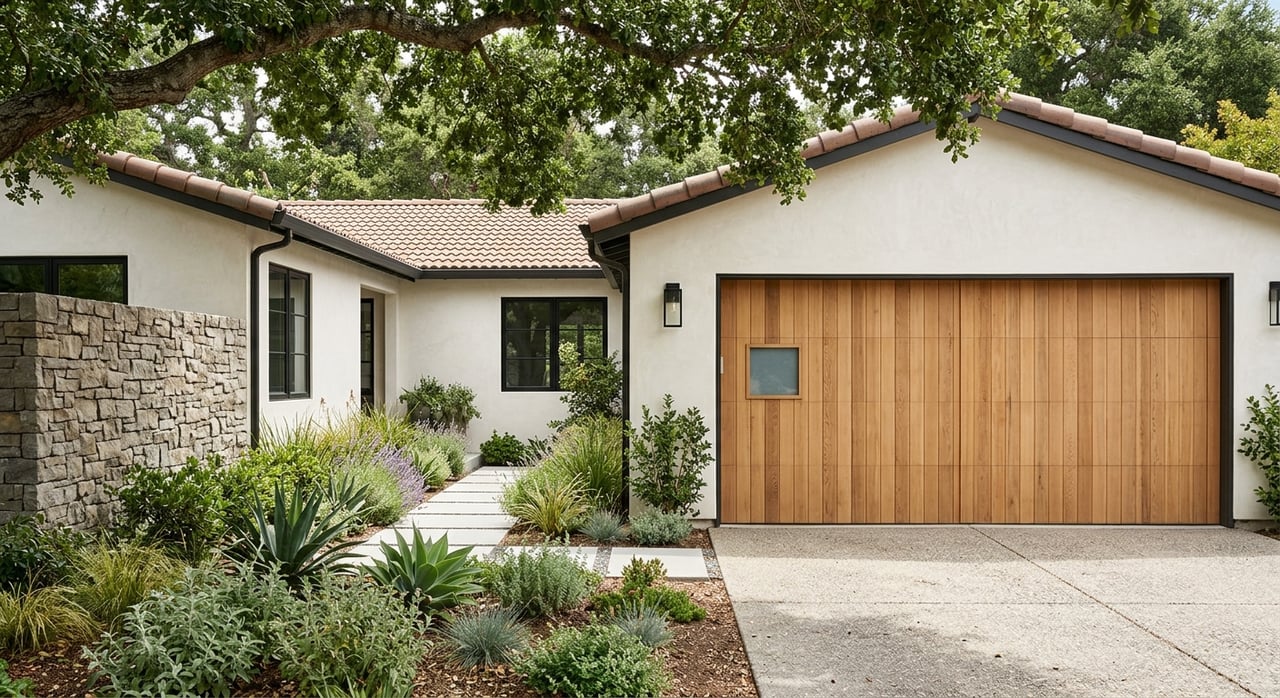
La Jolla has a wide architectural range. According to the La Jolla Historical Society, the area includes bungalow and beach cottages, 1920s Spanish Revival homes, and midcentury-modern properties influenced by California Ranch and International Style design.
That variety gives buyers more than one path into the market. Depending on where you focus, you may see historic charm, lock-and-leave attached living, or larger detached homes closer to view corridors and coastal streets.
Price Points in 92037
Recent local market data from the San Diego Association of REALTORS shows a clear split between attached and detached homes in 92037. In May 2026 year-to-date figures, detached homes had a median sales price of $3.7 million, while attached homes had a median sales price of $1.27 million.
Days on market were 53 for detached homes and 49 for attached homes, with months of supply at 3.8 and 3.2 respectively. For buyers, that means your experience may look very different depending on whether you are targeting a condo or townhome versus a detached coastal home.
The Real Tradeoff of Living Near the Water
The biggest lifestyle question is not whether coastal living is appealing. It usually is. The better question is whether you want beach convenience enough to accept the daily friction that can come with it.
Living close to the shoreline can give you easier access to beach walks, sunsets, and a very distinct coastal setting. It can also mean more visitor traffic, tighter parking, stricter public-space rules, and occasional closures or limitations tied to access or wildlife.
Walkability Versus Predictability
Some homes support a true walk-to-the-water lifestyle. Others may still be coastal, but function better as drive-and-park beach living.
Moving a bit farther inland within 92037 may reduce some of the daily friction. It can also open the door to a different mix of homes, especially in the attached market, while still keeping you close to La Jolla’s coastal setting.
Who Coastal 92037 Fits Best
Living near the water in La Jolla tends to work best if you value the setting enough to build your routine around it. If you enjoy morning walks, cooler coastal weather, scenic surroundings, and quick beach access, the tradeoffs may feel well worth it.
If you prefer easier parking, less seasonal activity, and a more predictable day-to-day routine, your ideal fit may be a location within 92037 that is a little removed from the busiest shoreline zones. That is why hyper-local guidance matters so much in this ZIP code.
If you are trying to decide whether a coastal condo, cottage, or detached home in La Jolla fits your lifestyle, The Gates Team can help you compare the tradeoffs, understand the micro-markets, and make a move with confidence.
FAQs
What is the weather like near the water in La Jolla 92037?
- Coastal La Jolla is mild year-round, with an annual mean temperature of 64.7°F, moderate summer highs, light annual rainfall, and frequent marine layer clouds in late spring and early summer.
Is La Jolla Cove or La Jolla Shores better for daily beach use?
- La Jolla Shores is often more practical for everyday use because it has a public parking lot, restrooms, showers, park space, and a playground, while La Jolla Cove is smaller and more tightly regulated.
Are there parking challenges near the water in 92037?
- Yes. City planning materials note limited public parking in parts of coastal La Jolla, especially around Coast Boulevard, and beach access can also be affected by tides, bluffs, and seasonal demand.
What types of homes are common in La Jolla 92037?
- The housing stock includes beach cottages, Spanish Revival homes, midcentury-modern properties, condos, townhomes, and higher-end detached homes across different La Jolla micro-markets.
How expensive is the La Jolla 92037 housing market?
- Based on May 2026 year-to-date local market data, the median sales price was $3.7 million for detached homes and $1.27 million for attached homes in 92037.
What are the main tradeoffs of living near the water in Coastal San Diego?
- The main tradeoff is easy access to the beach and coastal scenery versus daily friction like parking pressure, summer crowds, shoreline rules, and occasional wildlife-related closures or restrictions.